Pizza Stone on the Grill: Worth It for Crisp Crust?
Should I use a pizza stone on the grill?
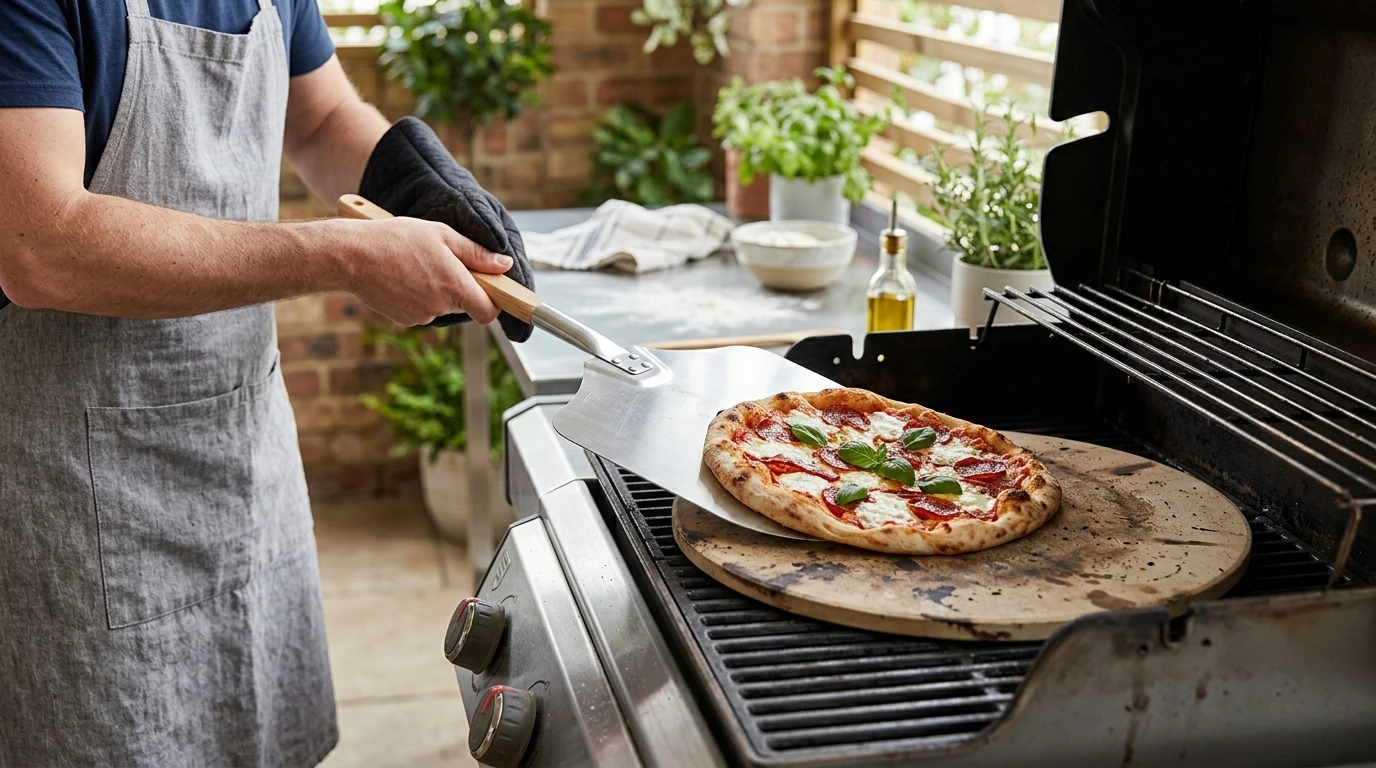
Yes—using a pizza stone on the grill is a smart move when you want crisp, evenly cooked crust without firing up the oven. A stone acts like a heat battery: it absorbs steady heat from the grill and releases it into the dough, helping the bottom bake fast while the top finishes under the grill’s radiant heat.
How a pizza stone changes grilling results
Grills can run hot with uneven “hot spots,” especially over direct flames. A pizza stone helps smooth out those temperature swings, reducing the chance of a scorched crust or a pale, undercooked center. It also makes it easier to bake pizza on gas or charcoal without the dough falling through grates.
Best way to use a pizza stone on a grill
Place the stone on the grates while the grill is cold, then preheat with the lid closed. Give it time—most stones need 20–30 minutes to fully heat through. For most pizzas, aim for a grill temp around 450–550°F, then slide the pizza onto the hot stone and keep the lid closed as much as possible for consistent heat.
Common mistakes to avoid
Avoid putting a cold stone onto a blazing-hot grill (thermal shock can crack it). Don’t oil the stone—high heat can burn oil into the surface and create off flavors. Also, resist the urge to use heavy sugar-laden sauces at extreme temperatures; they can scorch quickly on a grill.
When a pizza stone might not be necessary
If you use a cast-iron pizza pan, a baking steel, or a dedicated pizza insert, you can get similar results without a stone. Still, for many grills, the stone is the simplest upgrade for better crust.
For more specifics on temperatures, setup, and stone care, read the full guide here: https://smileybaby.shop/should-i-use-a-pizza-stone-on-the-grill/.
FAQ
Can you put a pizza stone directly on charcoal?
It’s better to place the stone on the grill grates, not directly on the coals. Direct contact can create extreme hot spots and raise the risk of cracking or burning the crust.










Leave a comment