Monster-Themed Cat Tree Tower: Setup, Placement & Care
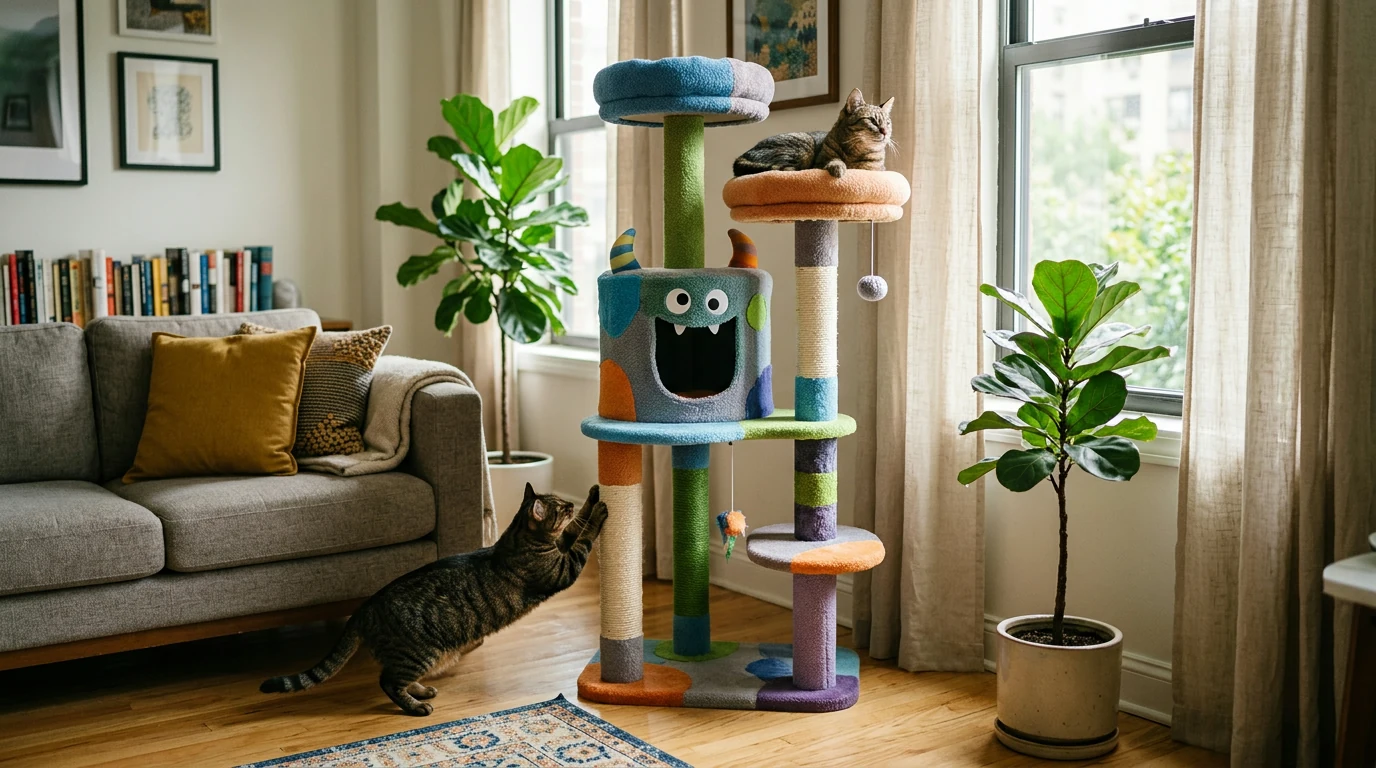
A character-style cat tower can do more than look fun—when the layout is right, it becomes a daily routine spot for climbing, stretching, scratching, and resting. A monster-themed cat tree tower adds vertical space to smaller homes and apartments while giving cats a playful “home base” that supports healthy, natural behaviors. For more guidance, see Brand New Monster Cat Tree – Fluffy Multi-Level Cat Condo.
What Makes a Character-Style Cat Tower Worth Having
For indoor cats especially, a tower that’s built to be used (not just admired) can make everyday life feel more interesting and secure. For further reading, see Tangkula Monster-Themed Cat Tree, 3-Level Cat Tower Activity ….
- Adds vertical territory, helping cats feel secure and reducing boredom in indoor spaces.
- Supports natural behaviors: climbing, perching, scratching, hiding, and lounging.
- Can help redirect scratching from furniture when paired with consistent placement and reinforcement.
- Creates a dedicated “cat zone” that’s easier to keep tidy than multiple small scratchers and beds scattered around the home.
Scratching is a normal feline need—cats scratch to maintain nails, stretch their bodies, and mark territory. For background on why this matters (and how to manage it), the ASPCA’s scratching behavior guidance is a helpful reference.
Monster-Themed Cat Tree Tower at a Glance
- Designed as an all-in-one play-and-rest station with a whimsical monster look.
- Useful for daily enrichment: short bursts of play, post-nap stretching, and observation perching.
- A good fit for apartments and smaller rooms where vertical space matters.
- Works best when placed near social areas (so the cat can be “with” the household) or near a window for visual stimulation.
Quick checklist for deciding if it fits your cat and space
| Consideration | Why it matters | Simple way to check at home |
|---|---|---|
| Floor space | Stability and safe jumping distance | Measure the spot and leave walking clearance around it |
| Cat size and mobility | Comfort on platforms and ease of climbing | Compare your cat’s body length to platform depth; watch how they use stairs/sofa |
| Scratch habits | Whether the tower will redirect scratching | Note where your cat scratches now and place the tower nearby at first |
| Household activity | Stress reduction and confidence building | Choose a location with predictable traffic, not a loud doorway |
| Number of cats | Prevents resource guarding | Ensure more than one resting/scratch area if cats don’t share well |
Where This Tower Fits Best in the Home
Placement often decides whether a tower becomes “the spot” or a piece of furniture your cat ignores. Cats want options, but they also want predictability.
- Near a window: Gives cats a perch for bird-watching and can help burn off idle energy.
- Close to the family zone: Many cats prefer resting where people are, not in a back room.
- Away from sudden noise: Avoid placing it next to slamming doors, speakers, or busy entryways.
- On a level surface: Improves stability and helps cats feel confident using higher levels.
For more enrichment ideas that pair well with a climbing tower (like short interactive play sessions), see the Humane Society of the United States guide to keeping cats active and engaged.
Helping Cats Use It Right Away
Some cats climb up immediately; others need a low-pressure introduction. The goal is to make the tower feel familiar and rewarding without forcing interaction.
- Start with smart placement: Put it where your cat already spends time (then relocate gradually if needed).
- Use attraction aids carefully: Try catnip or a silvervine blend on scratching areas for short-term interest (skip it if it overstimulates your cat).
- Reward exploration: Offer a treat or calm praise when your cat steps onto a platform or scratches appropriately.
- Add a familiar scent: Rub a soft cloth on your cat’s cheeks and wipe it lightly on the tower to make it smell “safe.”
Scratching, Climbing, and Resting: What to Look For in Daily Use
A good tower earns its keep when it becomes part of the routine—scratch after waking, perch to watch the room, then curl up for a nap.
Care and Upkeep for a Cleaner, Longer-Lasting Tower
Who It’s Best For
Product Option Available Now
Monster-Themed Cat Tree Tower is available and can serve as a single-zone solution for scratching, climbing, and lounging. For best results, pair it with a simple routine: a few minutes of play near the tower and occasional treat rewards for appropriate scratching.
More in-stock finds
- Elegant Double-Layer Stainless Steel Necklace
- Fierce Moissanite Tiger Head Ring for Men
- Baby Girls Cute Sleeveless Cotton Bodysuit
FAQ
How do you get a cat interested in a new cat tower?
Place it near your cat’s favorite hangout or current scratching spot, then reward any investigation with treats or calm praise. A small amount of catnip or silvervine on the scratching area can help, and moving it near a window often boosts interest within a few days.
Where is the best place to put a cat tree?
Choose a stable, level spot near a window or the main living area, and avoid locations with sudden loud noises like slamming doors. If the goal is to redirect scratching, start by placing the tree close to where your cat already scratches.
How often should a cat tree be cleaned?
Vacuum weekly to remove fur and dander, spot-clean as needed, and do a deeper clean periodically depending on shedding and use. During cleaning, check for wobble, tighten any fasteners, and remove worn or frayed toys.








Leave a comment