Multi-Level Cat Tree Tower: Condos, Perches & Scratchers
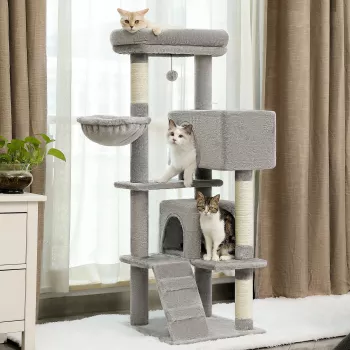
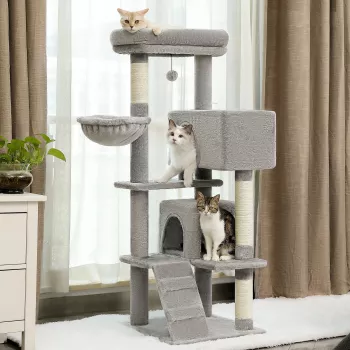
Luxury Multi-Level Cat Tree Tower with Cozy Condos, Perches & Scratching Posts
A multi-level cat tree can turn vertical space into a daily routine of climbing, napping, scratching, and observing. This tower-style design focuses on comfort (enclosed condos and soft lounging areas), enrichment (multiple perches at different heights), and home-friendly scratching zones to help redirect claws away from furniture.
If you’re looking for a single piece that supports play, rest, and appropriate scratching, take a look at the Luxury Multi-Level Cat Tree Tower with Cozy Condos, Perches & Scratching Posts—a vertical footprint that can make even smaller rooms feel more “cat-sized” without taking over the whole floor.
What Makes a Multi-Level Tower So Satisfying for Cats
Cats are natural climbers and observers. A tall, multi-level tower works because it aligns with how cats prefer to move through space—up, across, and down—while giving them choices throughout the day.
- Vertical territory feels secure: Height supports “high ground” confidence, which can be especially helpful in multi-pet households or busy homes.
- More levels, less conflict: Multiple platforms help reduce resource guarding by giving cats separate lounging spots instead of forcing everyone onto one couch corner.
- Perches create predictable observation points: Cats often return to the same lookout for hallway monitoring, people-watching, or window time.
- Condos provide enclosed retreats: Covered resting areas can lower stress and encourage deeper, longer naps.
- Scratching surfaces support normal behavior: Scratching helps with claw maintenance and scent marking; the goal is to redirect it to appropriate zones (not eliminate it). For background on why scratching matters, see International Cat Care’s overview of scratching behaviour.
Comfort Features: Cozy Condos, Lounging Spots, and Perches
The best cat towers balance “covered” and “open” spaces. Some cats want a tucked-away nap; others want to rest while keeping an eye on everything.
- Enclosed condos: Great for cats that prefer a covered sleeping area, cats that need a break from household activity, or cats that like to rotate between warm, shadowy spots.
- Open perches: Ideal for cats who relax by monitoring their territory—especially near a window or a room corner.
- Smart placement: Set the tower so at least one perch has a clear line of sight (like a window view) without blocking common walkways.
- For timid cats: Start by making the lower condo inviting, then encourage exploration upward with treats or a favorite wand toy.
- For large or senior cats: Prioritize stable placement and easier step-ups (shorter gaps between platforms). A tower that’s snug near a wall often feels more secure.
| Feature | Best for | Placement tip |
|---|---|---|
| Cozy condo | Cats that like covered naps or quiet retreats | Aim the opening away from heavy foot traffic |
| Upper perch | Watchers and window-loungers | Near natural light; keep cords and blinds out of reach |
| Lower platform | Kittens, seniors, or cautious cats | Use as a “starter level” with a blanket or familiar scent |
| Multiple levels | Multi-cat households | Give access from more than one side when possible |
Scratching Posts: Protect Furniture and Support Healthy Claws
Scratching is normal maintenance and communication. Instead of trying to stop it, set up the environment so your cat chooses the right surface. (Organizations like the American Veterinary Medical Association emphasize behavior-based alternatives to declawing, including providing appropriate scratching options.)
- Place the tower where scratching already happens: A sofa corner, entryway, or near your cat’s nap zone are common “hot spots.”
- Reward first use: A small treat right after scratching helps the tower become the default option quickly.
- Support claw health: Keep nails trimmed and make scratching easy to access daily.
- Offer variety when needed: Some cats prefer vertical posts; others like angled or horizontal scratchers. If your cat is picky, add a second scratcher temporarily.
- If furniture scratching returns: Put a scratcher beside the problem area, then slowly move it closer to the tower over several days.
Safety and Stability Checks Before Letting Cats Go Full Speed
Choosing the Right Spot in the Home
- Near a window: Encourages engagement through “cat TV” (birds, squirrels, neighborhood activity).
- In a shared living area: Keeps cats included while still offering personal vertical space.
- Avoid vents and drafty doors: Condos used for long naps should stay comfortable.
- Multi-cat tip: Choose a spot where cats can approach from more than one direction to reduce bottlenecks.
- Make it a play zone: Rotate a few toys nearby (wand play, small plush toys) to reinforce the tower as a fun destination. For more on environmental enrichment, the American Association of Feline Practitioners (AAFP) Feline Environmental Needs Guidelines are a helpful reference.
Quick Setup and Cat-Approved Introduction
At-a-Glance Feature Checklist
Shop In-Stock Picks
- Luxury Multi-Level Cat Tree Tower with Cozy Condos, Perches & Scratching Posts ($72.82)
- Elegant Double-Layer Stainless Steel Necklace ($8.51)
- Baby Girls Cute Sleeveless Cotton Bodysuit ($7.51)
FAQ
How many cats can use a multi-level cat tree at once?
It depends on the tower’s size and your cats’ temperaments, but multiple perches and condos usually help cats share space with less tension. If guarding or swatting happens repeatedly, add a second scratcher nearby or consider a second tower to spread out resources.
How can a cat be encouraged to use the condos and perches instead of the couch?
Place the tower near your cat’s favorite hangout, add familiar bedding in the condo, and use treat trails to guide exploration. Reward any use (even brief visits) for several days so the tower becomes the more predictable, reinforced choice.
Where should the cat tree be placed for the best stability and use?
Choose a flat surface and consider positioning it near a wall for extra stability and confidence. Keep it away from fragile items and, if possible, place it near a window or a family area; on smooth floors, a non-slip mat can help prevent shifting.









Leave a comment